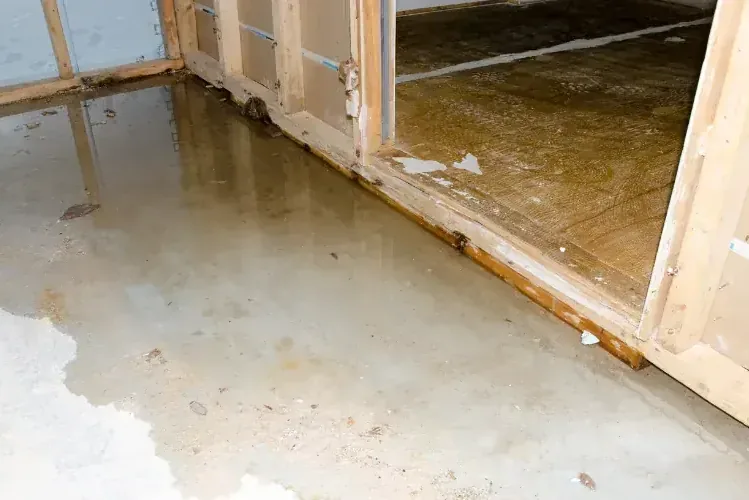
On February 6, 2010, a storm made debris basins overflow into residential neighborhoods of La Cañada Flintridge. More than 40 houses were mired in mud and at least nine were uninhabitable. This article uses that event to explain how mud-laden storm water is handled differently from a plain leak and what a homeowner should photograph before cleanup.
Key takeaways
- Debris basins at canyon mouths catch mud and rock from mountain storms, and a heavy storm can overwhelm them.
- Mud-laden storm water is contaminated and heavy, so it is handled differently from a clean supply leak.
- Photograph the mud line, the rooms and the belongings before anything is moved.
- Water and silt are removed first, then walls and floors are cleaned and dried.
- A local team that works storm losses can stage equipment for quick cleanup after a big storm.
What happened on February 6, 2010
A storm on February 6, 2010 made debris basins overflow into residential neighborhoods of La Cañada Flintridge. Mud covered a street in the Paradise Valley neighborhood.
After the storm, more than 40 houses were mired in mud and at least nine were uninhabitable. Most foothill areas received a total of more than 3 inches of rain during that storm period.
- Debris basins hold mud and rock washed from the mountains, and they have limits.
- When a basin fills, water and sediment can spill toward nearby streets and homes.
- The event is a reminder that foothill storms can move far more than water.
Why debris basins matter here
The city sits at the base of the San Gabriel Mountains, with Angeles National Forest and the mountains to the north. Elevation runs from about 970 feet just below Devil's Gate Dam in the Arroyo Seco to about 2,400 feet in the highest neighborhood.
Debris basins at canyon mouths catch mud and rock that wash out of the mountains in storms. Winter atmospheric river storms can magnify rainfall totals and produce intense runoff in the foothills, and the city averages about 21 inches of rain a year.
Why mud and storm water are not the same as a leak
A broken supply pipe puts clean water into a house. Storm water arrives carrying soil, organic material and whatever it passed on the way.
That is why crews handle it as a contaminated loss. It also explains why mud is cleaned out before drying begins.
- Silt settles into carpet, cracks and baseboards.
- Mud is heavy, so it needs scraping and shoveling before extraction.
- Porous materials that soaked up storm water are often removed rather than saved.
How crews protect the rest of the home
A mud cleanup can track soil into rooms that were never touched. Crews limit this by setting up a clear path in and out, laying protective sheeting and keeping boots out of dry areas.
These small steps keep a two room loss from becoming a whole house cleanup.
- Floor protection laid along the path from the entry to the work area.
- Wet and dry areas kept separate.
- Waste bagged and removed as it is produced.
What a homeowner photographs first
Documentation matters most in the first hours, before cleanup changes the scene. Photos and video help with an insurance claim and with planning the work.
Safety still comes first, so photos are taken from a dry spot.
- The mud line on walls, doors and furniture.
- Each affected room, from the doorway and from inside.
- The outside of the home, including drains, the yard and the street.
- Damaged belongings, before they are moved or discarded.
- Any visible mud inside cabinets, closets or garage storage.
Safety before cleanup
Standing mud and water can hide hazards. Power to wet areas should be off, and anyone entering should wear boots and gloves.
Belongings and furniture
Mud and storm water reach more than the floor. Boxes in a garage, furniture legs and low shelves are often affected.
A household can save time by sorting early into what to keep, what to clean and what to discard.
- Hard items such as tools, glass and metal are usually cleaned and kept.
- Soft items such as carpet, pillows and cardboard are usually discarded.
- Photographs, papers and keepsakes are set aside for specialist drying instead of being thrown out.
How the cleanup works
The work moves from heavy debris to fine detail. Each stage makes the next one possible.
The storm runoff and flash flood cleanup page explains the full process, and the La Cañada Flintridge storm cleanup page covers it for local homes.
- Mud and debris shoveled and bagged.
- Standing water pulled out with extractors and pumps.
- Soaked carpet, pad and soft drywall removed as needed.
- Hard surfaces cleaned and treated.
- Framing, subfloor and remaining walls dried until readings return to normal.
Extraction and drying
Once the mud is out, extraction pulls up water that is still in floors and low spots. The water extraction page covers that step, and the water extraction in La Cañada Flintridge page covers local homes.
Drying then handles the moisture that cannot be seen. Waiting too long lets damp materials grow mold in a day or two.

How mud changes the drying plan
Mud turns a normal drying job into a staged one. The first stage is to remove the solid material so that air can reach the surfaces underneath.
Fine silt works into cracks, floor seams and wall cavities. If it dries in place, it becomes dust and holds moisture against wood and drywall.
That is why crews wash and rinse surfaces before they set up drying equipment. Clean surfaces dry faster and more evenly.
- Walls are checked at the base, where mud and water collect.
- Cabinet toe kicks and door bottoms are opened when they hold silt.
- Garage and storage areas are cleared so equipment can reach every wall.
Preparing before the next big storm
The 2010 event shows that preparation matters in this area. A homeowner cannot control a debris basin, but a few steps can limit what reaches the house.
Local knowledge of where water moves is the best starting point.
- Know which drainage the property sits in: most of the city drains toward the Arroyo Seco, while the west side drains toward Verdugo Canyon.
- Keep a short list of photos and papers to save first.
- Check door seals and grading before the winter rains.
- Save the contact for a local restoration team before storm season.
After the storm passes
Once the rain stops, the work is not over. Moisture lingers in walls and floors for days, and mud that dries in place becomes harder to remove.
A household that begins documentation and calls for help early usually ends up with a smaller, faster cleanup.
- Photograph first, then start moving belongings.
- Keep wet items separate from dry ones.
- Run no household fans over muddy areas, which only spreads dust.
- Note every conversation with the insurance company.
Questions
What is a debris basin?
A debris basin sits at a canyon mouth and catches mud and rock that wash out of the mountains in storms. In a very heavy storm it can fill and spill.
Why is mud cleaned out before drying starts?
Mud holds moisture and contaminants. Leaving it in place slows drying and lets materials stay wet.
Can a house with a mud line be saved?
Many can. The outcome depends on how long materials stayed wet, what they are made of and how quickly cleanup begins.
Does storm mud require special handling?
Yes. It is treated as contaminated, so crews use protective gear and remove porous materials that cannot be cleaned safely.
Which parts of the city are linked to the 2010 event?
Paradise Valley is a neighborhood where mud covered a street in February 2010. The record names debris basin overflow into residential neighborhoods across the city.