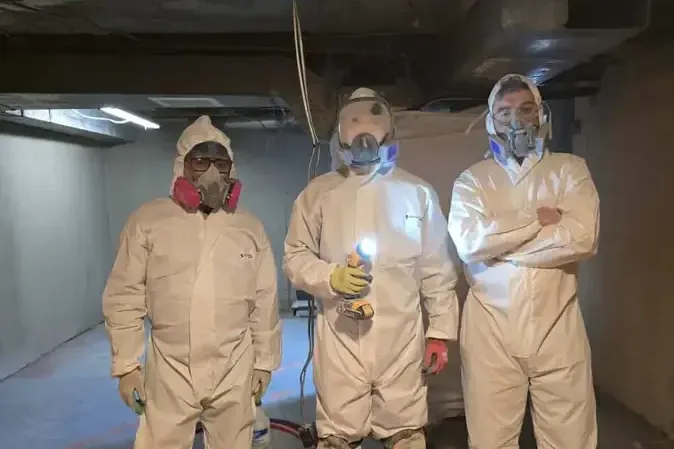
A toilet that gurgles, a tub that fills from the drain or a floor drain that bubbles up are all signs that sewage is going the wrong way. In Altadena, the record notes that because of the slope, sewer pipes in the northern section have been known to overflow significantly. This article explains what a household does first and how the cleanup works.
Key takeaways
- Sewage is contaminated from the first moment, so the household stays out and nothing is wiped up with ordinary towels.
- Stop using water in the home until the blockage is understood, because every flush and rinse adds more to the overflow.
- Photograph the damage before anything is moved and keep a list of items touched by the water.
- Cleanup removes porous materials that absorbed sewage, then cleans, disinfects and dries the area.
- A sewer backup is not the same as a clean supply leak, and insurance often treats it differently.
Why the north side of Altadena sees overflows
Altadena lies in the foothills of the San Gabriel Mountains, and the community climbs toward Angeles National Forest on its north side. The record notes that because of that slope, sewer pipes in the northern section have been known to overflow significantly.
A steep pipe moves fast, but it can also overload downstream sections or low points when something blocks the flow. The result can appear as water rising in the lowest fixture in a home.
- The lowest drain in the house, such as a ground floor shower, tends to show it first.
- Several fixtures backing up together points to a problem beyond a single trap.
- Wet weather can add stress to a sewer system and make a weak point worse.
Signs a backup is starting
Early warning signs are easy to dismiss. A household may notice them for hours before water appears on a floor.
Acting on them can turn a messy overflow into a small cleanup.
- Gurgling from a toilet when a washer or sink drains.
- Slow drains in more than one room at once.
- A sewage smell near a floor drain, tub or cleanout.
- Water rising in a tub or shower when another fixture is used.
The first steps for a household
Sewage carries bacteria and other contaminants. The safe response is to limit exposure first and protect what can be protected second.
The steps below keep a small problem from spreading.
- Stop using sinks, toilets, showers and the washer.
- Keep children, pets and anyone with health concerns out of the affected room.
- Do not wade through the water in bare feet or touch it without gloves.
- Open a window for air if conditions are safe, and leave fans off so contaminated moisture is not spread.
- Take photos and notes, then contact a local crew trained in sewage cleanup.
What not to do
Pouring harsh chemicals into a drain, mixing cleaners or running a household vacuum over the area can make things worse. Bleach and some drain products release fumes that irritate the lungs, and a vacuum can aerosolize contaminated moisture.
What to tell the crew on the first call
A clear first call saves time. The crew needs to know what happened, where the water is and who has been in the area.
Having a few details ready helps the team bring the right equipment and set up safely.
- Which fixtures backed up and when it started.
- Whether the water is on hard floors, carpet or both.
- How many rooms are affected.
- Whether anyone has touched the water or walked through it.
- Whether power to the area is on or off.
Why sewage is handled as contaminated from the start
Clean supply water from a pipe is one thing. Water that has passed through a sewer pipe is another, and cleaning it requires different gear, steps and disposal.
That is why sewage cleanup crews wear protective equipment and set up controlled work areas. Materials that soaked it up are treated as waste rather than saved.
The sewage backup cleanup page outlines how these losses are handled.
When the blockage is outside the house
Sometimes the problem is not in the house at all. A blockage further along in the sewer can push wastewater back toward the lowest drain in a home.
A household cannot tell the difference at the moment of an overflow, and it does not need to. The first steps are the same: stop water use, keep people out and call for help.
Afterward, a plumber can find where the blockage is. The cleanup crew focuses on the damage inside, and the plumber on the cause.
- Tell neighbors if a backup is likely to affect shared drains.
- Keep a note of the time and which fixtures backed up, so the plumber has a starting point.
- Do not run water again until the cause has been checked.
How the cleanup proceeds
The crew starts by removing the water and heavy contamination. After that, it removes what cannot be cleaned safely, cleans what can and dries everything that remains.
Each stage is checked before the next begins.
- Standing sewage extracted from floors and low spots.
- Carpet, pad, insulation and soft drywall that absorbed sewage cut out and bagged.
- Hard surfaces cleaned and treated with a disinfecting product.
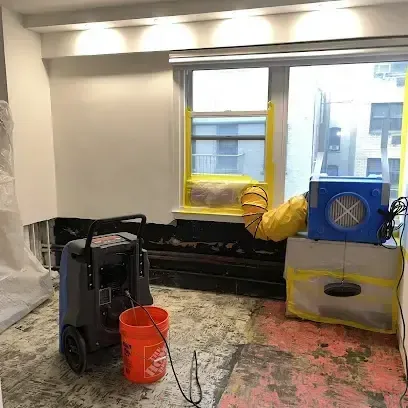
- Remaining framing and subfloor dried with air movers and dehumidifiers.
- Moisture readings taken to confirm the area is dry before it is closed up.
Drying after the cleanup
A cleaned room can still be wet inside walls and under floors. Left alone, damp materials can start growing mold in a day or two.
Drying is part of the same job. The structural drying page explains how the equipment works, and the sewer backup warning check helps a household look for early signs before a backup grows.
What happens to belongings that touched sewage
Sorting belongings is one of the hardest parts of a sewage loss. The rule is simple: hard, nonporous items can usually be cleaned and disinfected, and porous items usually cannot.
A household that knows the rule can avoid the mistake of keeping something that cannot be made safe.
- Usually saved: tile, glass, metal, hard plastic and sealed wood after proper cleaning.
- Usually discarded: carpet, pad, mattresses, stuffed toys, cardboard and unsealed paper.
- Case by case: upholstered furniture, books and clothing, depending on how much contact they had.
- Documents and photos can be dried and copied by specialists, so they are set aside rather than thrown out.
Insurance and records
Many policies treat sewer backup as a separate coverage from other water damage. Checking the policy early tells a household what to expect.
With about 71.6 percent of the 15,947 housing units owner-occupied, most Altadena losses land on the owner to document and settle.
- Photos of the source, the water and every damaged item.
- A list of discarded belongings with approximate values.
- Notes from the crew about what was removed and why.
- Dates of the first sign of trouble and the date of cleanup.
Questions to ask the insurer
A short call to the insurer clarifies what is covered before work begins. Asking the right questions up front prevents delays when the claim is filed.
The answers also tell the household whether sewer backup is included or needs a separate endorsement.
- Is sewer or drain backup covered, and up to what limit?
- What documentation does the claim require?
- Is there a separate deductible for this type of loss?
- Does the insurer want to inspect before cleanup begins?
Questions
Is sewage backup water ever safe to clean up without help?
Small spills on hard floors may be cleaned carefully with proper gloves and disinfectant. Anything that reached carpet, walls or more than a small area calls for trained crews.
What should a household do with belongings that touched sewage?
Hard items can often be cleaned and disinfected. Porous items such as mattresses, rugs and cardboard are usually discarded.
Can a sewer overflow cause damage upstairs?
It usually shows up at the lowest fixture, but if the blockage is severe water can rise at more than one drain, including those on upper levels.
How can a homeowner tell if the problem is the house drain or the sewer pipe outside?
If only one fixture is slow, the problem is often inside. If several fixtures back up together, the cause is more likely farther along in the system.
Does cleanup stop once the sewage is gone?
No. Cleaning and drying continue until the materials left in place are clean and moisture readings are back to normal.